
Pippa’s Army Missing Horse Tips
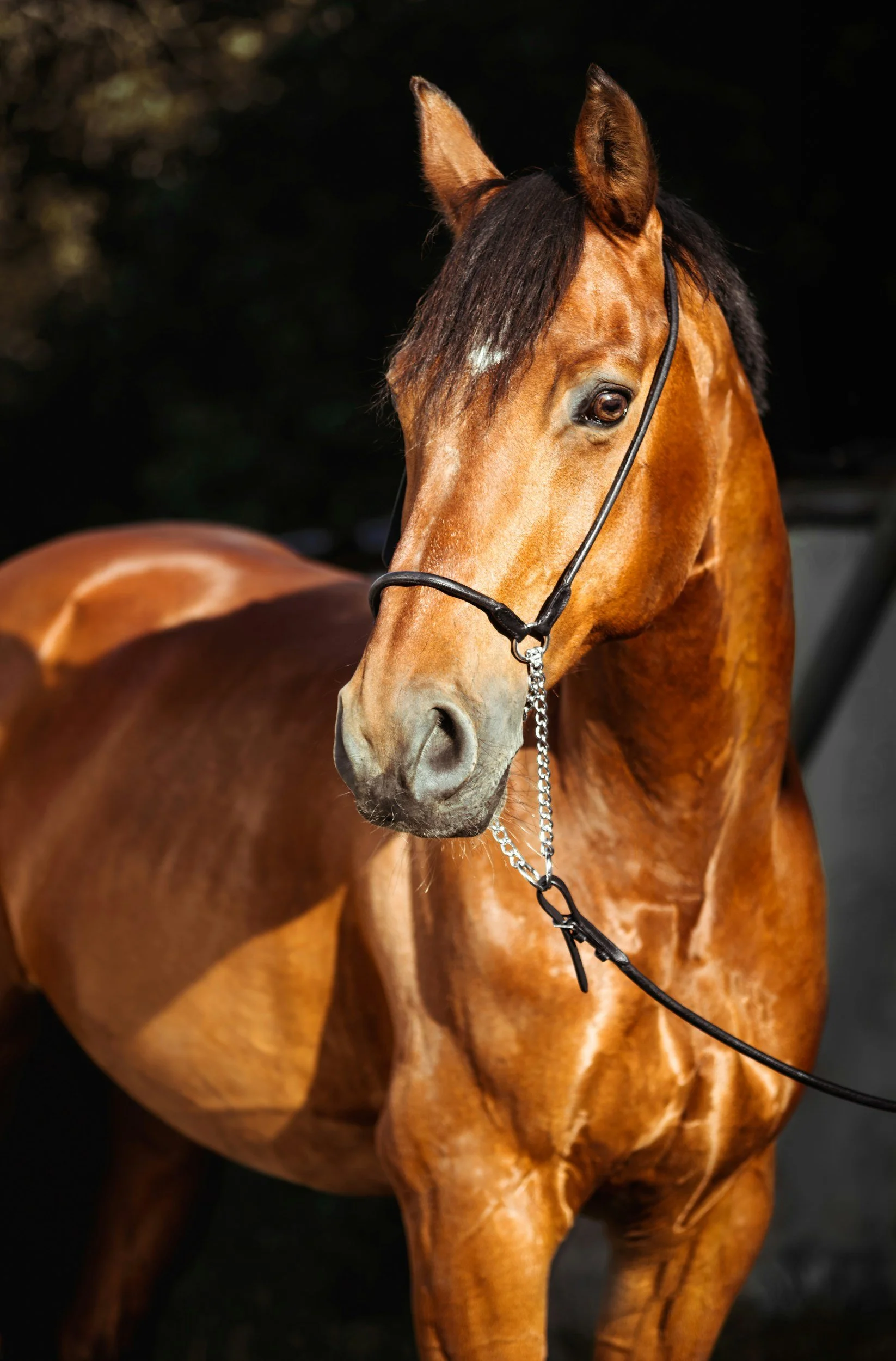
Be able to identify your horse. This includes his colour, age, breed, markings and tack. If your horse is nondescript, add some kind of identification when you leave home with it.
Consider having your horse branded, freeze-marked, or microchipped. Microchipping is common and inexpensive. If you microchip your horse, keep your contact information current on the data site 🐎
Register your horse as lost on the National Pet Register on https://www.nationalpetregister.org/lost-horses
Ask for help. This includes equestrians and bike riders, dog walkers and kids. If you’re on private land, call the landowners. If you’re near private land, call the neighbours. Lastly, construction crews, loggers and road and trail crews should be questioned if any are working nearby.
Use technology. If the horse is in an open area, consider enlisting a local aeroplane, helicopter or drone pilot in the search.
Activate your social media network. Post notices on Facebook, Nextdoor and “lost animal” lists. Be sure to include photos of the horse, the date he was lost, the specific location and your cell phone number. Update social media posts frequently.
Keep the search organised. Use brightly colored surveyor’s ribbon, notes stapled to trees, or strips of cloth tied to branches to mark areas already searched.
Make a poster. Make up a simple “Lost Horse” poster with this information: breed, gender, colour and markings, description of tack, date the horse was lost, and last known location. Don’t forget a photo and contact info (tear-away strips are good). Make copies of the poster and put it everywhere: petrol stations, feed stores, tack shops, everyday shops and the local newsagents. Send information via email. Re-print with updated information as often as necessary.
Horses can cover a lot of territory, and they move faster than human search crews. Consider where your horse will go and/or lure him to you. Here are some tips on equine behaviour:
Horses usually head downhill and stay near food, water, or other horses. If your horse loves to run, avoids the company of strange horses, is afraid of swinging ropes or has any other personality quirks, keep those things in mind.
If your horse responds to a specific whistle or name, share that with searchers.
If your horse is food motivated, take a “shaker” can with you, a can with grain in it, or something that sounds like a grain can.
Take the horse’s best buddy with you when you search. With luck, the buddy horse will holler, and your horse will come running.
Many lost horses are found and usually within a few days. Sometimes lost horses are gone for a month or more. Keep looking.